
Cooking Methods That Preserve Nutrition
Discover how to cook your food while keeping essential vitamins, minerals, and nutrients intact. Learn proven techniques used by nutrition experts across the United Kingdom and beyond.
The information on this site is for educational purposes only and does not constitute medical advice. Always consult a qualified healthcare professional before making health decisions.
Why Your Cooking Method Matters for Nutrient Retention
The way you prepare your food has a profound impact on its nutritional value. Heat, water exposure, and cooking duration can significantly affect the availability of vitamins, minerals, and phytonutrients that your body needs for optimal function.
Some cooking methods preserve up to 95% of a food's nutritional content, while others can destroy 50% or more of essential nutrients. Understanding these differences empowers you to make informed choices about how you prepare your meals every day.
Whether you prefer steaming vegetables, roasting proteins, or slow-cooking legumes, this guide reveals which techniques deliver the most nutrition to your plate and your body.
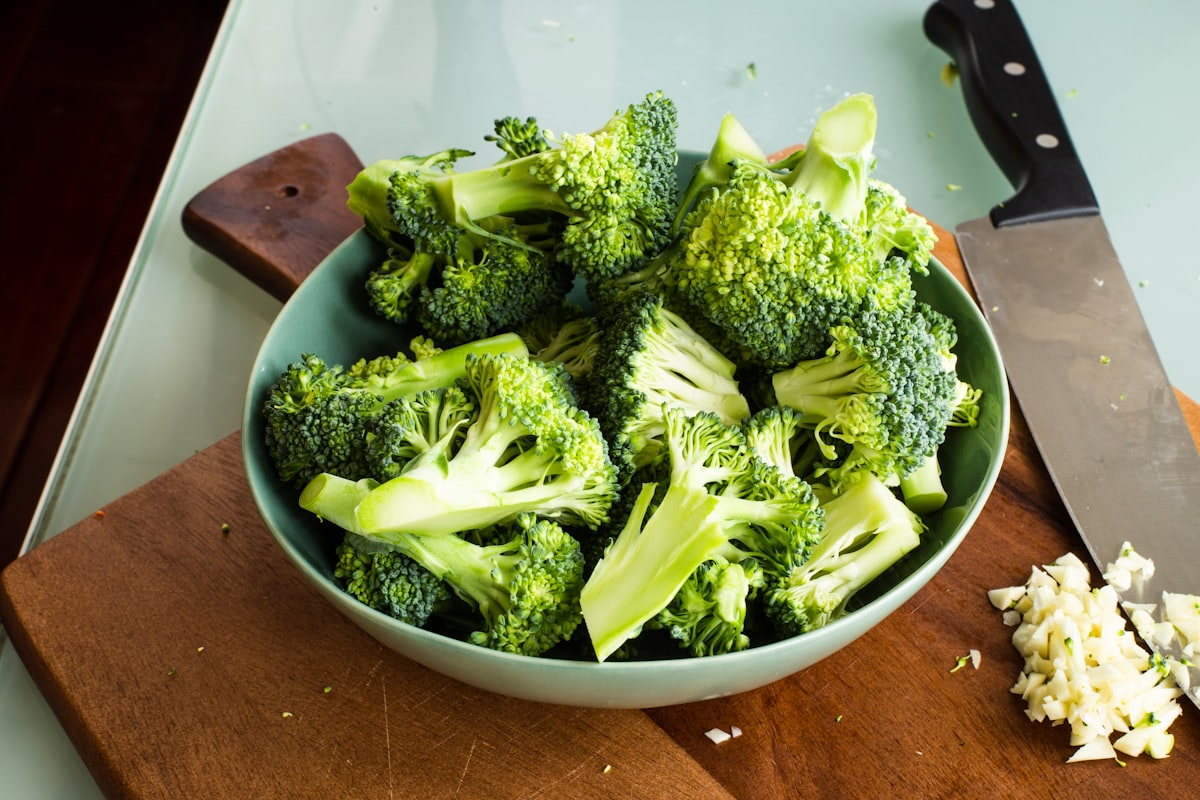
Key Cooking Methods Compared
Each cooking technique has unique strengths and weaknesses when it comes to preserving nutrients. Here's how the most common methods stack up.
Steaming
Steaming is one of the gentlest cooking methods available. Food cooks with moist heat while remaining separate from the water, preserving water-soluble vitamins like B and C.
Nutrient Retention: 90-95%
Roasting
Dry heat roasting creates flavour through caramelization while preserving most mineral content. Some heat-sensitive vitamins diminish, but fat-soluble vitamins remain stable and more bioavailable.
Nutrient Retention: 75-85%
Boiling
Boiling in excess water causes significant leaching of water-soluble vitamins and minerals into the cooking liquid. This method is less effective for nutrient preservation but useful for certain applications.
Nutrient Retention: 40-60%
Pressure Cooking
Pressure cooking uses high heat and steam to reduce cooking time significantly. The shorter cooking duration helps retain heat-sensitive vitamins while still cooking food thoroughly and safely.
Nutrient Retention: 80-90%
Slow Cooking
Low, gentle heat over extended periods preserves many nutrients, particularly in plant-based foods like legumes and root vegetables. Minerals become more bioavailable through prolonged cooking.
Nutrient Retention: 70-85%
Raw Consumption
Eating raw preserves all heat-sensitive vitamins and enzymes. However, some nutrients like lycopene and beta-carotene become more bioavailable when gently heated. Balance both approaches.
Nutrient Retention: 100% (with trade-offs)
Understanding Nutrient Loss Across Methods
Water-Soluble Vitamins (B, C)
These vitamins dissolve easily into cooking water and are destroyed by high heat. Methods that minimise water contact and use lower temperatures preserve them best.
- Steaming: 90% retained
- Pressure cooking: 85% retained
- Boiling: 50% retained
Fat-Soluble Vitamins (A, D, E, K)
These vitamins are more heat-stable and actually become more bioavailable with gentle cooking. They concentrate in fats and oils used during cooking.
- Roasting: 95% retained
- Sautéing: 90% retained
- Steaming: 85% retained
Minerals (Iron, Calcium, Magnesium)
Minerals are heat-stable but can leach into cooking water. Short cooking times and minimal water contact preserve mineral content. Interestingly, some minerals become more bioavailable after cooking.
Steaming & Roasting
90-95% retained
Slow Cooking
85-90% retained
Boiling (discarding liquid)
60-70% retained
Your Step-by-Step Guide to Nutrient-Preserving Cooking
Follow these evidence-based steps to maximise nutrient retention in every meal you prepare.
Choose Your Ingredients Wisely
Start with fresh, seasonal produce and high-quality proteins. The fresher your ingredients, the more nutrients they contain before cooking even begins. Shop locally when possible and use your food within a few days of purchase.
Prepare Food Just Before Cooking
Wash vegetables but delay cutting until immediately before cooking. Cut surfaces expose nutrients to air and light, causing oxidation and nutrient loss. Keep skin intact when possible—much nutrition lies just beneath the surface.
Select the Right Cooking Method
Match your cooking method to your food type. Use steaming for delicate vegetables, roasting for root vegetables and proteins, slow cooking for legumes, and raw consumption for enzyme-rich foods like leafy greens and berries.
Use Minimal Water and Short Cooking Times
When water is necessary, use the minimum amount and keep cooking times as brief as possible. High heat for short duration often preserves more nutrients than low heat for extended periods, especially for vitamins.
Add Healthy Fats
Incorporate olive oil, avocado oil, or other quality fats during cooking. Healthy fats enhance the absorption of fat-soluble vitamins (A, D, E, K) and create more flavorful, satisfying meals that support nutrient bioavailability.
Enjoy Your Meal Promptly
Eat cooked food while still warm. Nutrients continue to degrade during storage and reheating. If you must store, keep cooked meals in airtight containers in the refrigerator and consume within two to three days.
Visual Examples of Cooking Techniques
See how different cooking techniques look and learn the best practices for each method.
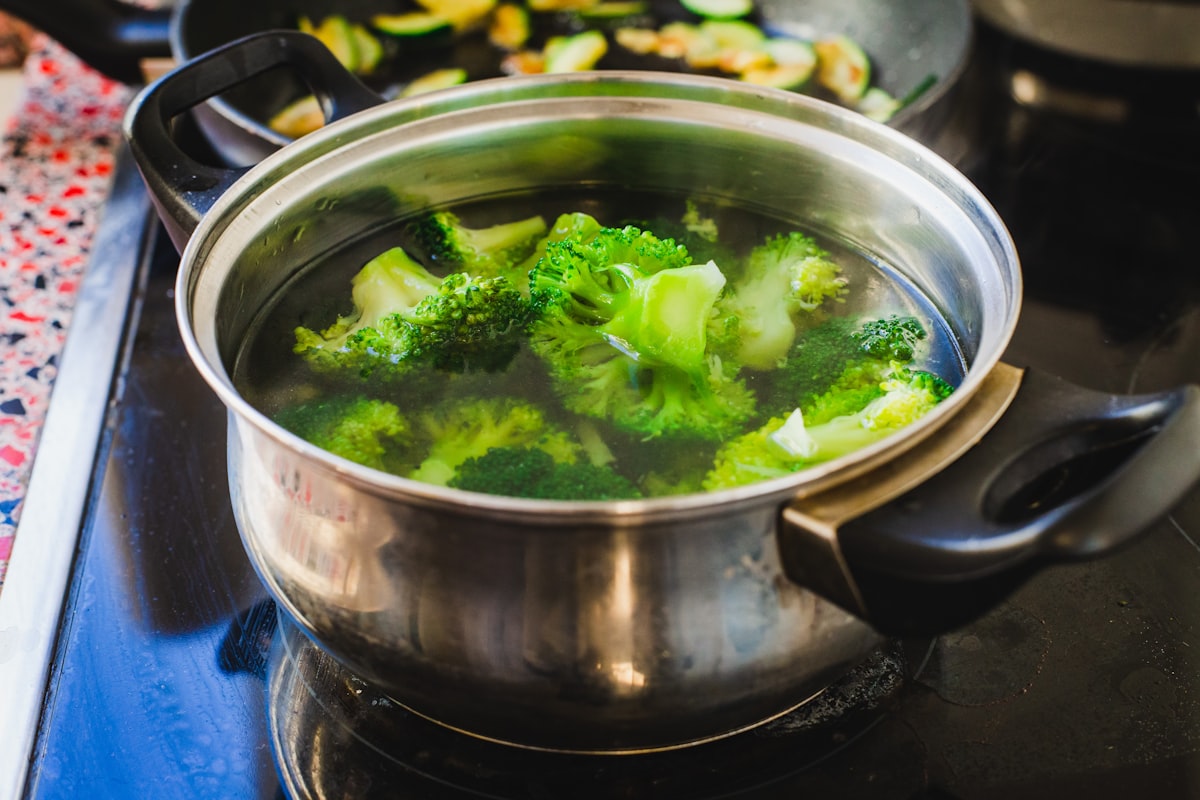
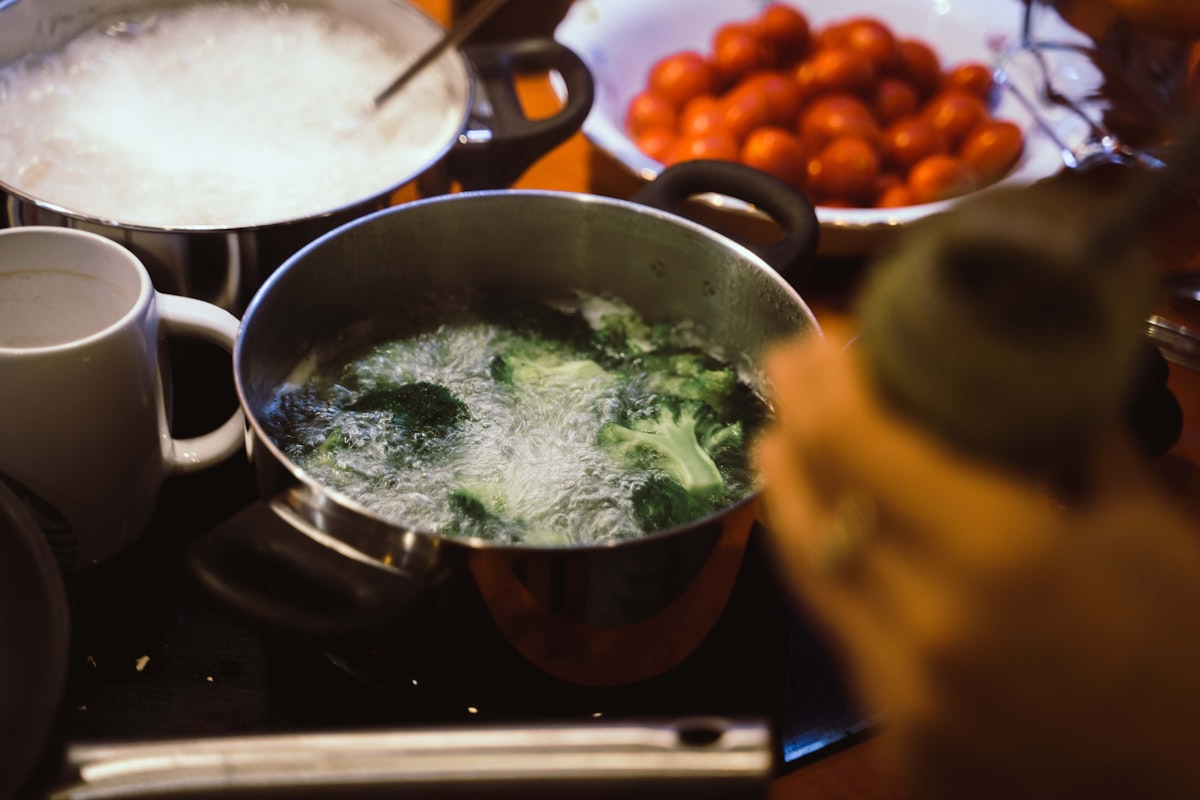
Steaming Vegetables
Place vegetables in a steamer basket above boiling water. Steam broccoli for 4-5 minutes, carrots for 6-8 minutes, and leafy greens for 2-3 minutes until just tender. The food never touches the water, preserving water-soluble vitamins.
Best for: Broccoli, cabbage, asparagus, Brussels sprouts, green beans
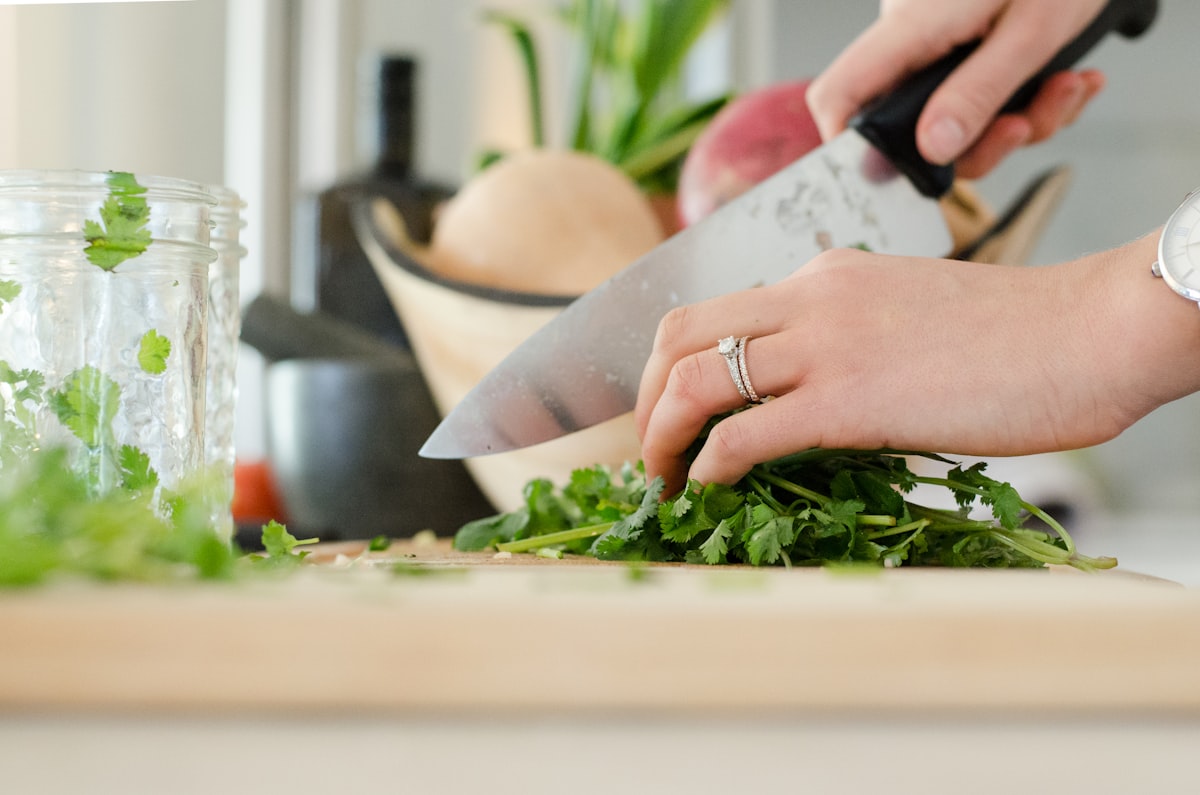
Roasting Root Vegetables
Toss vegetables with olive oil, season with herbs, and roast at 200°C (180°C fan) for 25-35 minutes. The dry heat creates caramelization and concentrates flavour. Cut vegetables uniformly for even cooking.
Best for: Beetroot, carrots, parsnips, sweet potatoes, onions, bell peppers
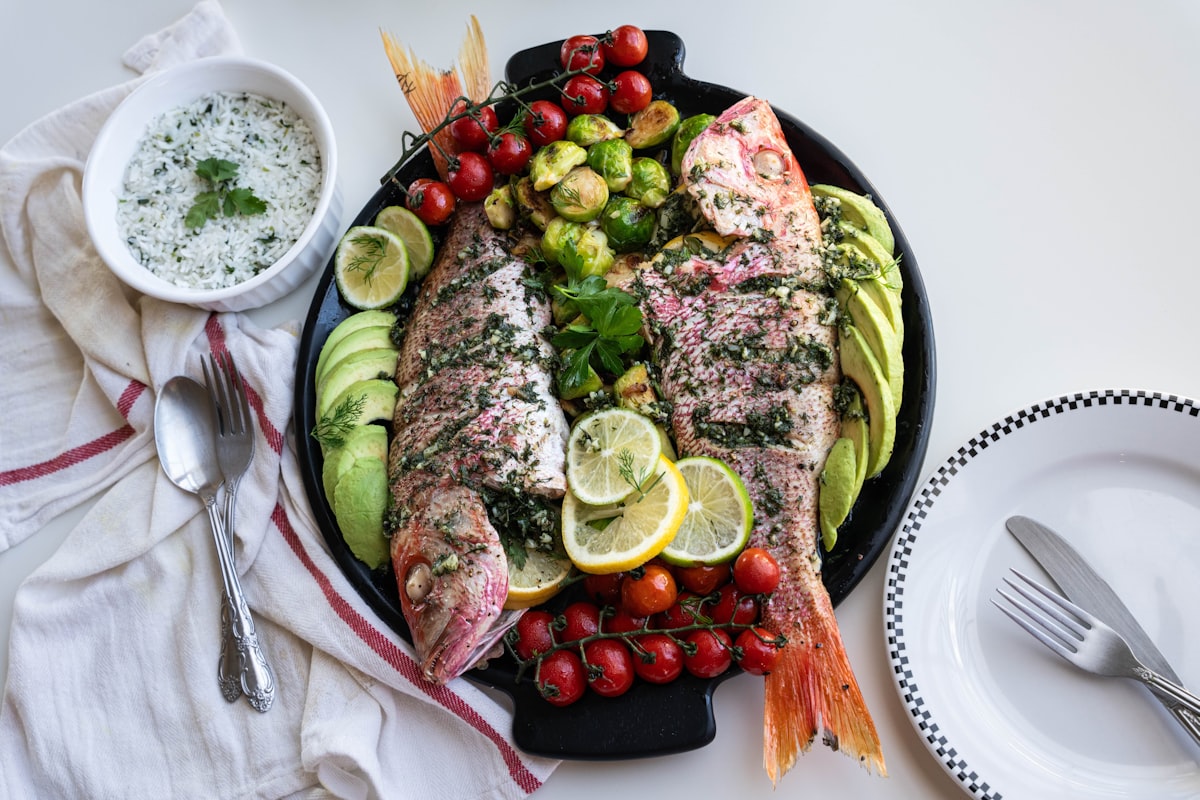
Pressure Cooking Legumes
Add soaked beans, water, and minimal seasonings to your pressure cooker. Cook at high pressure for 12-20 minutes depending on bean type. Release pressure naturally for best results. Rapid cooking preserves nutrients while reducing cooking time by 75%.
Best for: Chickpeas, lentils, kidney beans, black beans, split peas
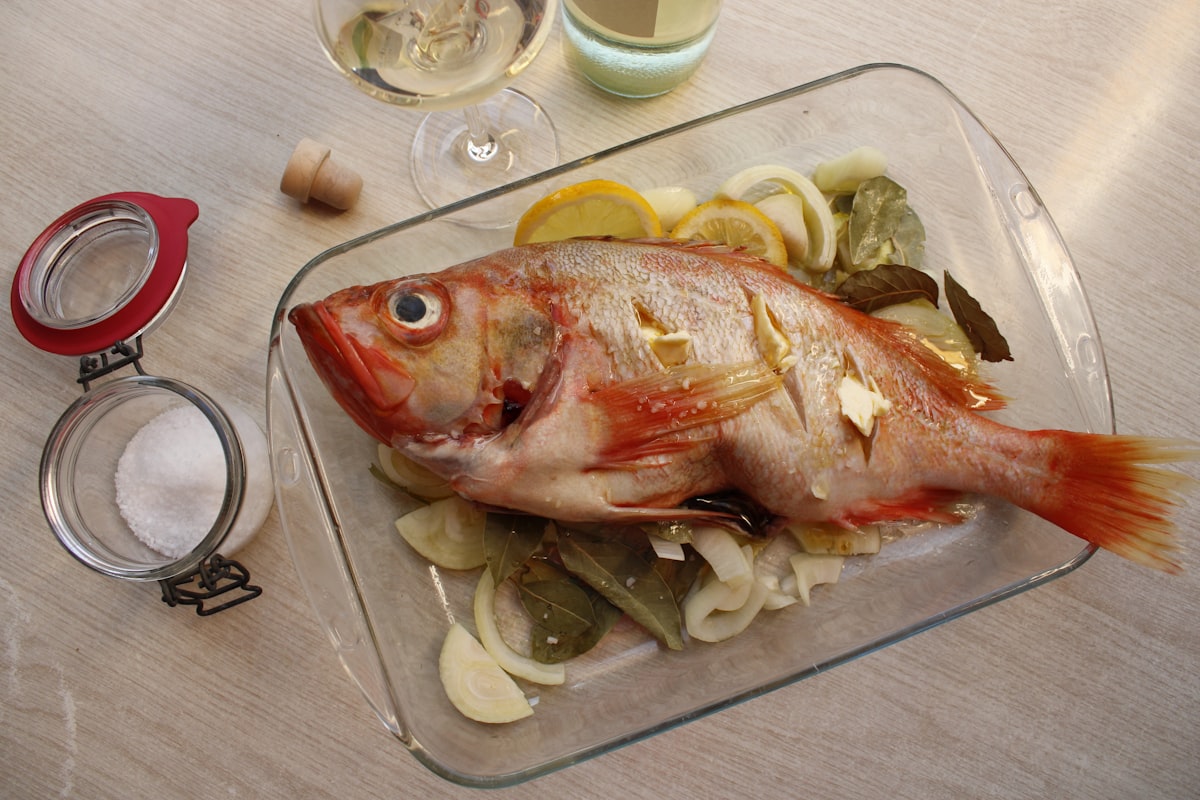
Slow Cooking Stews
Layer vegetables and protein in your slow cooker with minimal liquid. Cook on low for 6-8 hours or high for 3-4 hours. The extended cooking time breaks down cell walls, making minerals more bioavailable while preserving overall nutrient content.
Best for: Root vegetables, tough cuts of meat, beans, grains, bone broths
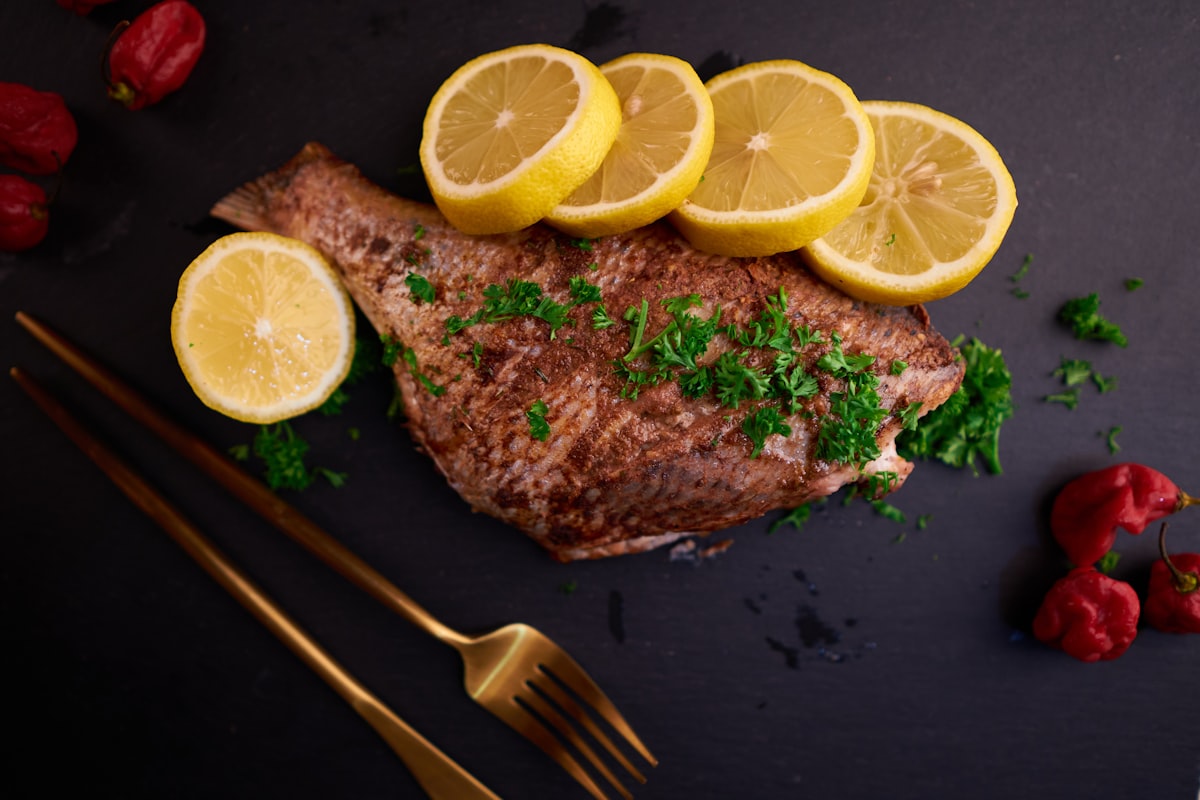
Sautéing with Healthy Fats
Heat olive oil in a skillet, add vegetables, and cook over medium-high heat for 4-7 minutes, stirring occasionally. Sautéing increases the bioavailability of fat-soluble vitamins while maintaining heat-stable minerals. The oil carries flavour compounds throughout the dish.
Best for: Leafy greens, mushrooms, zucchini, spinach, kale, garlic, onions
Preparing Raw Foods
Wash vegetables thoroughly and chop just before serving. Combine with quality oils and vinegars for dressing. Raw preparation preserves all heat-sensitive vitamins and enzymes while providing maximum bioavailability of certain compounds like vitamin C.
Best for: Leafy greens, tomatoes, cucumbers, bell peppers, carrots, beetroot, fresh herbs
Key Features of Nutrient-Preserving Cooking
These six core features define cooking methods that keep your food's nutritional value intact.
Controlled Temperature
Methods that use moderate heat (not extreme temperatures) preserve more heat-sensitive vitamins. Steaming, slow cooking, and gentle simmering maintain nutrients better than high-heat frying or boiling.
Minimal Cooking Time
Shorter cooking durations mean less nutrient degradation. Pressure cooking achieves thorough cooking in minutes, while steaming vegetables takes only a few minutes—far less time than boiling or traditional roasting.
Reduced Water Contact
Steaming, roasting, and pressure cooking minimise water exposure, preventing water-soluble vitamins from leaching away. Boiling in excess water causes significant nutrient loss directly into the cooking liquid.
Moisture Retention
Methods that keep food moist (steaming, slow cooking) help retain water-soluble nutrients inside cells. Completely dry methods like roasting require healthy fats to support nutrient absorption.
Whole-Food Integrity
Keeping vegetables unpeeled and minimally chopped preserves nutrients concentrated in the skin and near the surface. This approach maintains cell structure and prevents rapid nutrient oxidation during preparation.
Eco-Friendly Eating
Choosing whole foods and seasonal produce reduces packaging waste and supports sustainable farming practices. Every recipe in this guide emphasizes ingredients that nourish both body and planet.
What Our Readers Say
"These recipes transformed my approach to cooking. I feel more energized, and preparing meals has become a mindful ritual rather than a chore."
— Sarah Mitchell
Health Coach, Toronto
"The whole-food approach makes sense. My digestion improved, and I love knowing exactly what goes into every meal. Highly recommend!"
— James Chen
Fitness Enthusiast, Vancouver
"Finally, recipes that align with my values. Simple ingredients, powerful results. This guide is a game-changer for anyone serious about health."
— Emma Rodriguez
Nutritionist, Montreal
Start Your Vitalization Journey Today
Join thousands of readers discovering how whole-food recipes energize their bodies and minds. Access exclusive tips, seasonal guides, and community support.
Frequently Asked Questions
Are these recipes suitable for beginners?
Absolutely! All recipes are designed with simplicity in mind. Clear instructions, minimal ingredients, and step-by-step guidance make them perfect for anyone, regardless of cooking experience.
Can I adapt recipes to my dietary preferences?
Yes! Our recipes feature modifications for vegan, vegetarian, keto, and paleo diets. Each recipe includes ingredient swaps and notes to help you customize meals to suit your lifestyle.
Where do you source your ingredient recommendations?
We partner with local farmers, certified organic suppliers, and nutritionists to ensure quality and sustainability. Every recommendation is researched and tested for nutritional value and accessibility.
How often are new recipes added?
We release new seasonal recipes weekly. Subscribers get early access to upcoming guides, exclusive video tutorials, and special ingredient spotlights.
Is there community support available?
Definitely! Our community forum and social media channels let you share recipes, ask questions, and connect with fellow health-conscious readers. Our team responds to inquiries within 24 hours.