
Меню и рецепты для профилактики простатита
Полное руководство по питанию для здоровья простаты. Рецепты и меню, основанные на общепринятых принципах здорового питания.
Почему питание важно для здоровья
Научные исследования показывают, что правильный рацион напрямую влияет на здоровье предстательной железы и может помочь в профилактике простатита.
Минерал, критически важный для функции простаты и иммунной системы
Жирные кислоты, снижающие воспаление и поддерживающие сосудистое здоровье
Мощный антиоксидант из томатов, защищающий клетки от повреждений
Микроэлемент, участвующий в выработке защитных ферментов организма
Основные принципы здорового питания
Профилактика простатита начинается с осознанного подхода к питанию. Включение в меню продуктов, богатых антиоксидантами и противовоспалительными компонентами, помогает поддерживать здоровье предстательной железы на протяжении всей жизни.
Наша редакция подготовила детальное руководство, которое охватывает все аспекты питания для профилактики простатита. От выбора продуктов до приготовления полноценных блюд – каждый раздел содержит рекомендации, основанные на актуальных научных данных.
- Исключение трансжиров и избыточного сахара
- Увеличение потребления овощей и фруктов
- Регулярное включение рыбы и морепродуктов
- Умеренное потребление алкоголя и острых специй
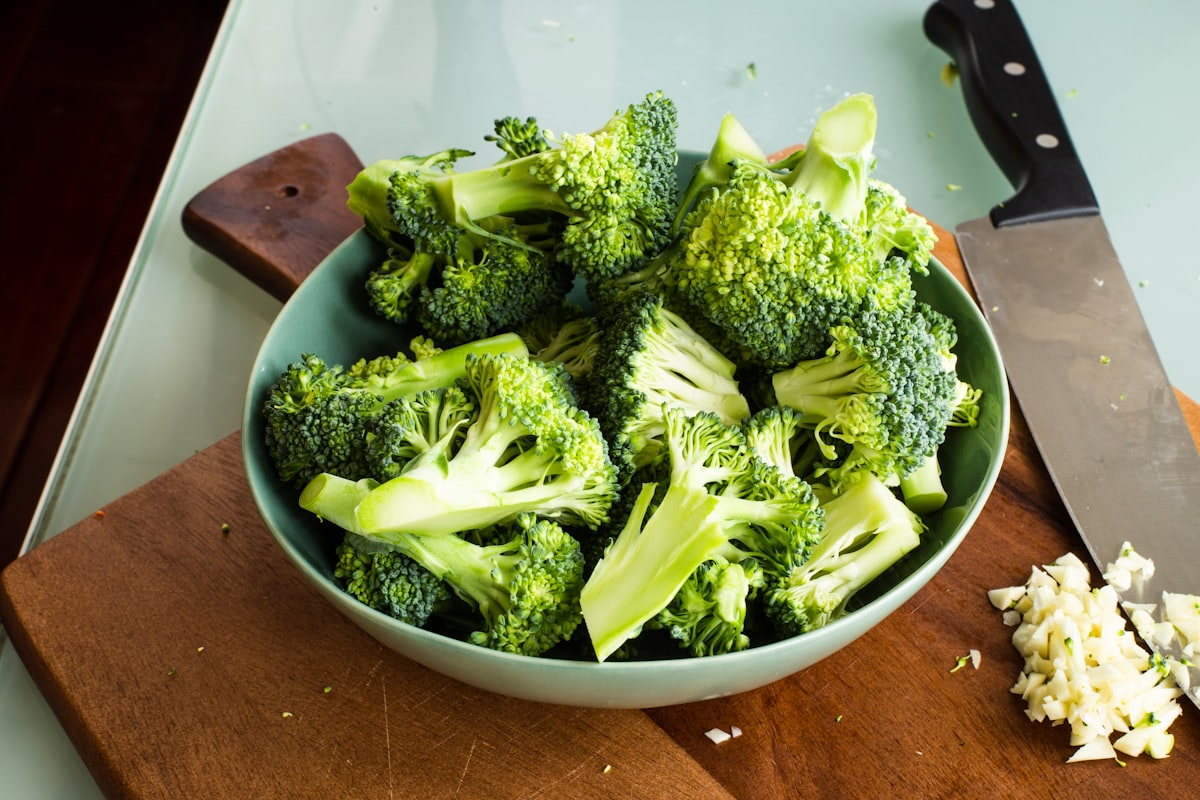
Популярные рецепты для здоровья
Подборка проверенных блюд, которые содержат компоненты, поддерживающие здоровье простаты. Каждый рецепт легко готовится в домашних условиях.
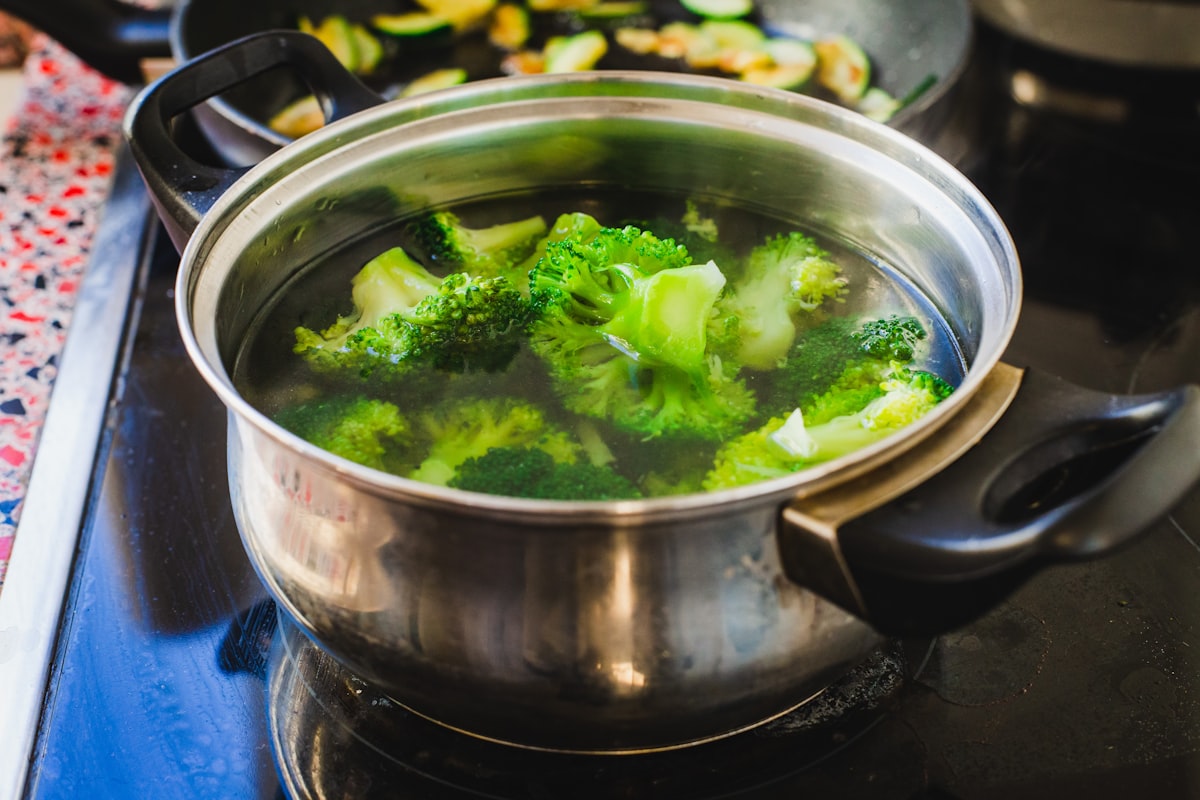
Салат из томатов и оливок
Простой, но питательный салат с помидорами, богатыми ликопином, и оливковым маслом с полезными жирами.
Ключевые компоненты: ликопин, витамин С, олеиновая кислота
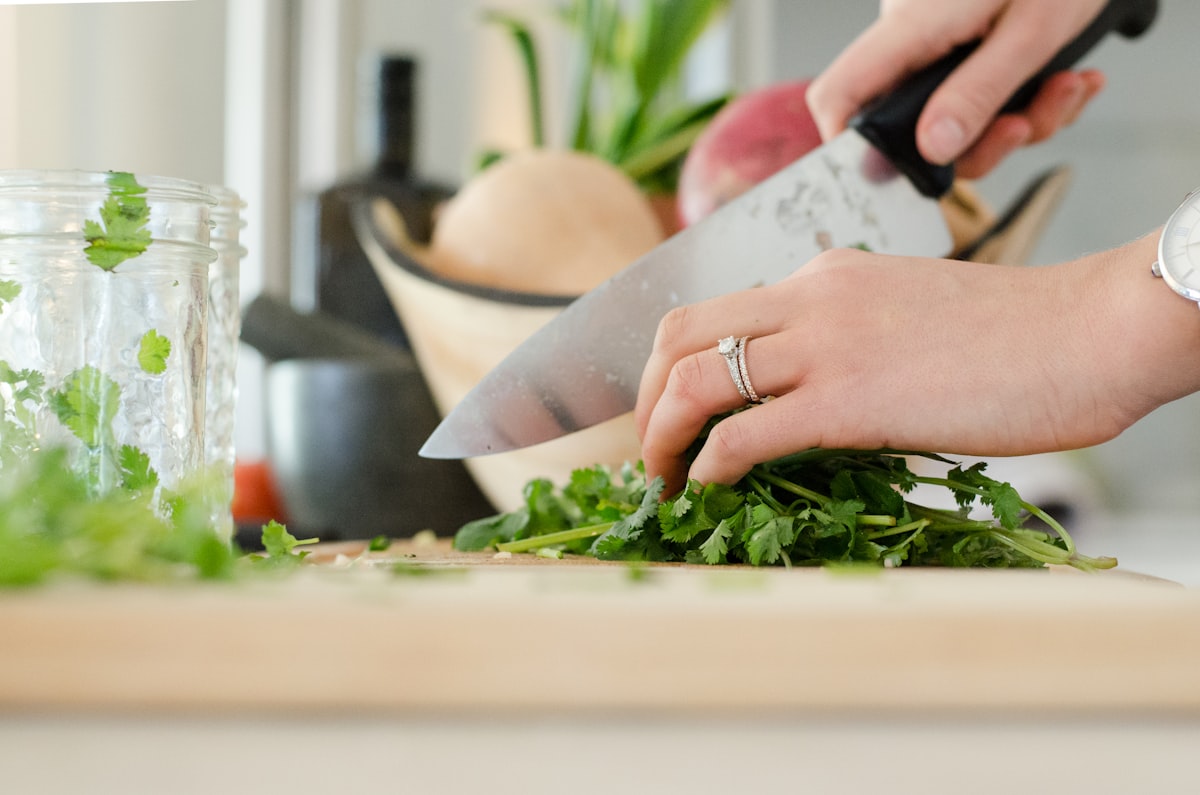
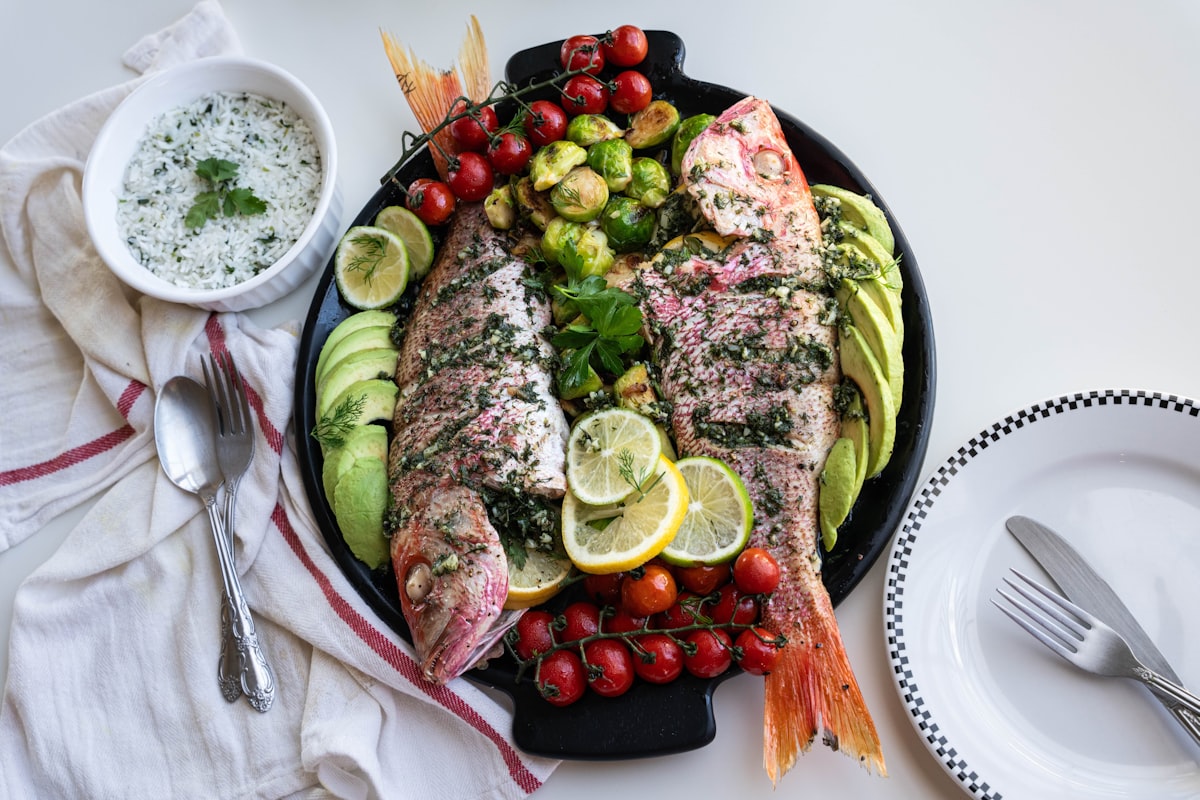
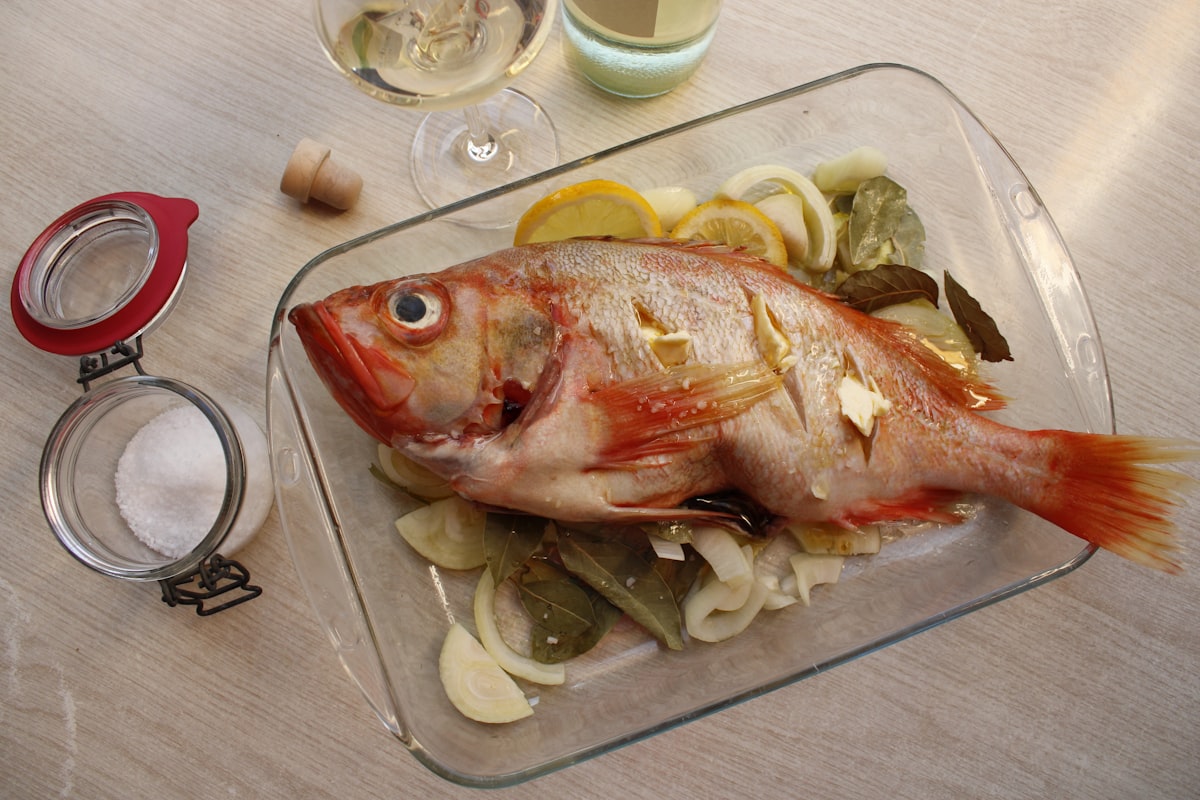
Запеченная рыба с зеленью
Лосось или форель в духовке – отличный источник омега-3 жирных кислот и селена для защиты клеток.
Ключевые компоненты: омега-3, селен, белок
Тыквенный суп
Легкий суп из тыквы с добавлением семян тыквы – источник цинка и антиоксидантов.
Ключевые компоненты: цинк, бета-каротин, витамин E
Зеленый салат с семенами
Свежие овощи с добавлением семян подсолнечника и грецких орехов для укрепления здоровья.
Ключевые компоненты: витамин E, селен, цинк
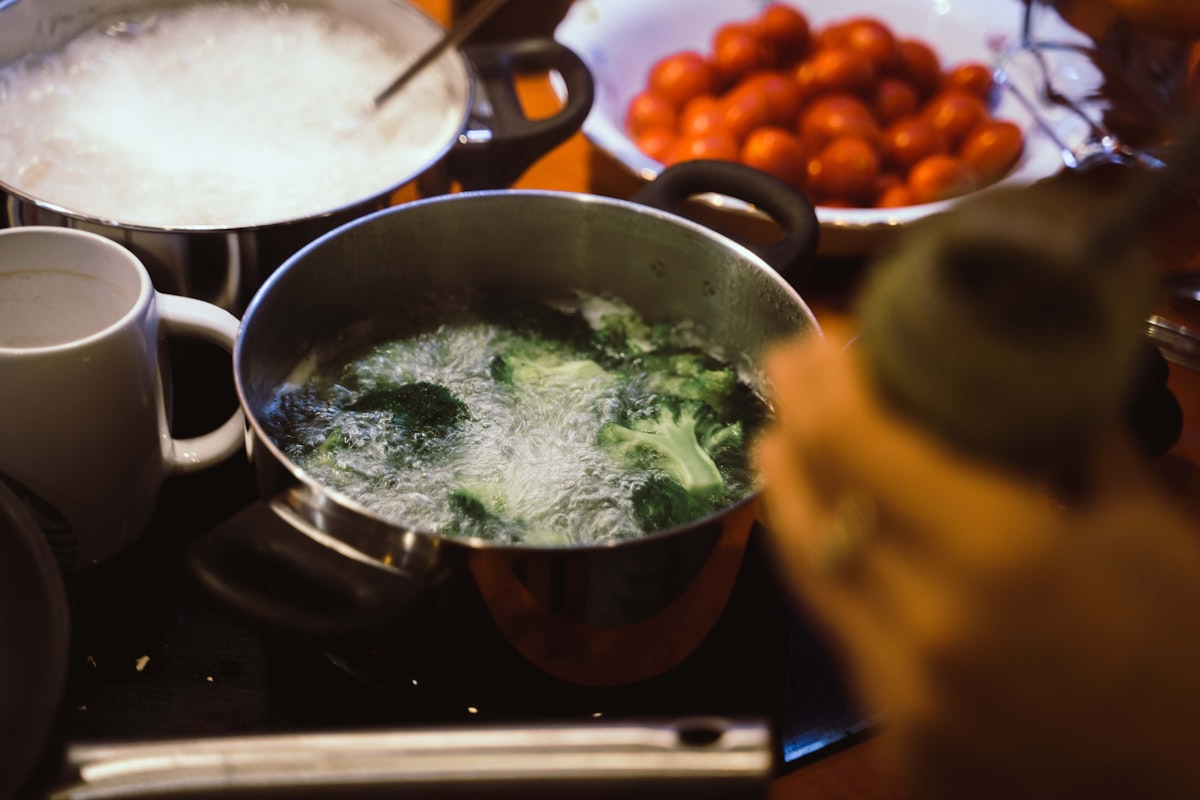
Чай с имбирем и куркумой
Противовоспалительный напиток с куркумой и имбирем поддерживает здоровье и тонус организма.
Ключевые компоненты: куркумин, гингерол, антиоксиданты
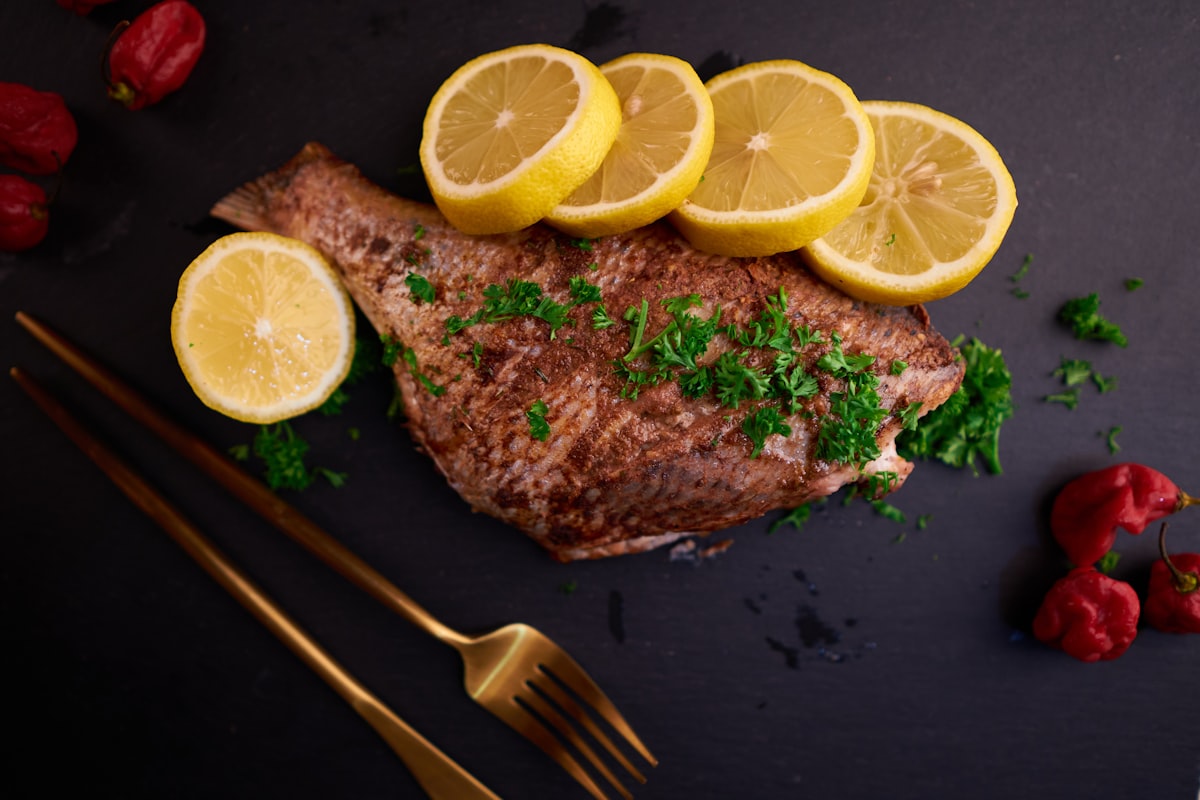
Овсяная каша с ягодами
Цельнозерновая каша с черникой и другими ягодами – полезный завтрак с антиоксидантами.
Ключевые компоненты: антоцианы, клетчатка, витамины
Как начать правильно питаться
Пошаговое руководство для интеграции полезных рецептов в ежедневный рацион.
Изучите рекомендации
Ознакомьтесь с информацией о продуктах, полезных для простаты. Прочитайте статьи о цинке, омега-3 и других ключевых компонентах в нашем разделе.
Перейти к статьямВыберите рецепты
Подберите блюда, которые вам нравятся и легко готовить. Начните с простых рецептов, требующих минимум времени и ингредиентов.
Все наши рецепты адаптированы для домашней кухни
Составьте меню
Спланируйте неделю питания, включив здоровые завтраки, обеды и ужины. Постепенно вводите новые блюда в свой рацион.
Часто задаваемые вопросыЧасто задаваемые вопросы
Ответы на популярные вопросы о питании и профилактике простатита.
Какие продукты содержат больше всего цинка?
Цинк в высокой концентрации содержится в устрицах, крабах, говядине, семечках тыквы и кешью. Для вегетарианцев хорошим источником являются чечевица, нут и семена подсолнечника. Рекомендуется ежедневное потребление продуктов с цинком для поддержания уровня этого минерала.
Как часто нужно есть рыбу?
Рекомендуется включать рыбу в рацион 2-3 раза в неделю. Лучший выбор – жирная рыба (лосось, форель, скумбрия), богатая омега-3 жирными кислотами. Если вы не любите рыбу, можно принимать рыбий жир в виде добавок, но консультация со специалистом обязательна.
Нужно ли полностью исключать острые специи?
Не требуется полное исключение, но их следует ограничить. Излишне острая пища может раздражать мочевыводящие пути. Однако умеренное количество перца содержит капсаицин, обладающий противовоспалительными свойствами. Рекомендуется индивидуальный подход в зависимости от чувствительности организма.
Какой алкоголь может быть вреден?
Пиво и крепкий алкоголь (особенно спирт) могут раздражать простату и усиливать воспалительные процессы. Красное вино в небольших количествах может содержать полезные антиоксиданты, но в целом рекомендуется минимизировать алкоголь. Лучше всего проконсультироваться с врачом о допустимых объемах.
Сколько времени требуется, чтобы заметить результаты?
Изменения в здоровье накапливаются постепенно. Первые улучшения в самочувствии и энергии можно ощутить через 2-3 недели регулярного правильного питания. Однако для устойчивых результатов рекомендуется придерживаться рекомендаций минимум 3-6 месяцев.
Можно ли использовать пищевые добавки вместо продуктов?
Добавки могут быть дополнением к полноценному рациону, но не заменяют натуральные продукты. Целые продукты содержат комплекс питательных веществ, которые работают в синергии. Рекомендуется в первую очередь улучшить питание, а добавки использовать по рекомендации врача при необходимости.
Что говорят читатели
Отзывы людей, которые применили наши рецепты и рекомендации в своей жизни.
"После прочтения статей на сайте я изменил свой рацион. Начал регулярно готовить рецепты с семечками тыквы и рыбой. Уже через месяц почувствовал улучшение в самочувствии и качестве сна. Материалы очень подробные и понятные."
Петр Соколов
Штутгарт, Германия
"Мне понравилась простота рецептов. Не нужно ничего сложного готовить – все ингредиенты доступны. Особенно полюбил чай с имбирем и куркумой. Рекомендую всем мужчинам ознакомиться с информацией на этом сайте."
Максим Волков
Мюнхен, Германия
"Я ценю научный подход в материалах. Статьи содержат ссылки на исследования и факты. Мне нравится, что не преувеличиваются результаты, а даются реальные рекомендации. Уже советую пациентам посещать этот ресурс."
Дмитрий Архипов
Берлин, Германия
"Очень полезный сайт для профилактики. Я составил себе меню на неделю из предложенных рецептов. Вся семья начала есть более здоровую пищу. Спасибо авторам за такое внимание к деталям и качество информации."
Юрий Смирнов
Кельн, Германия
Фотографии готовых блюд
Визуальное вдохновение для создания собственных рецептов и меню.
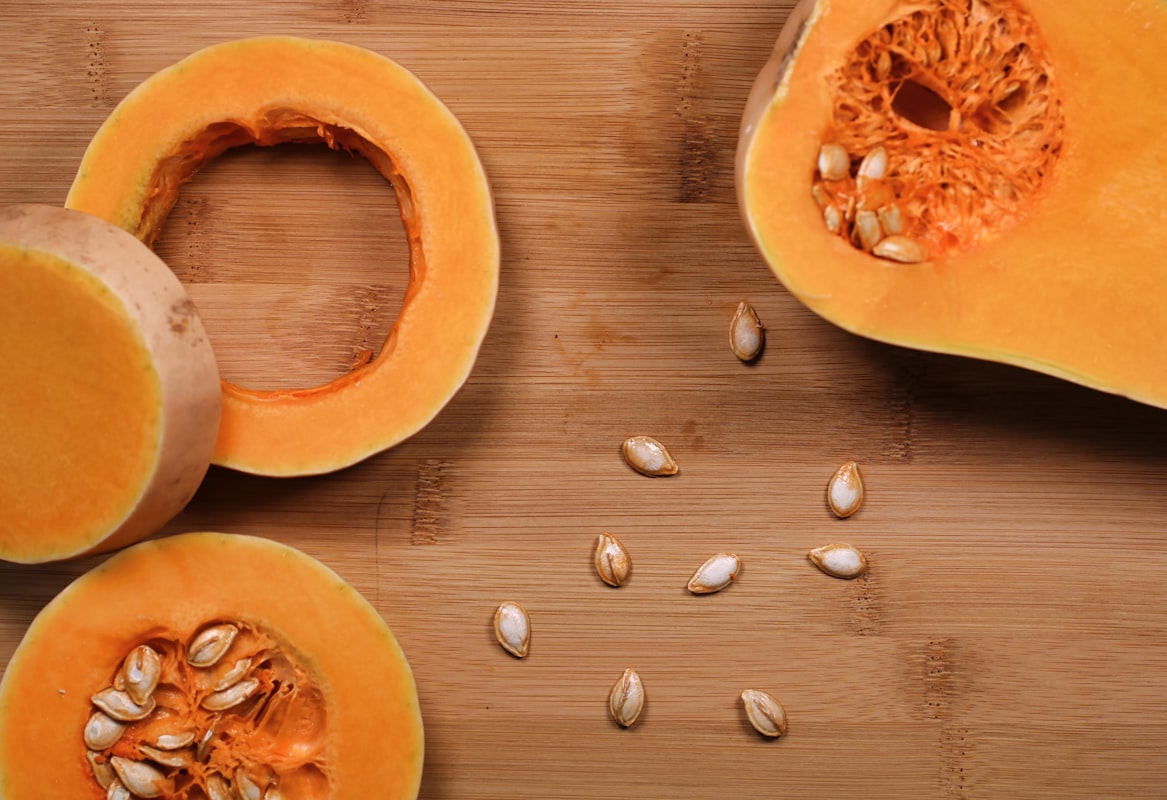
Грилированный лосось с овощами
Простое и элегантное блюдо с высоким содержанием омега-3
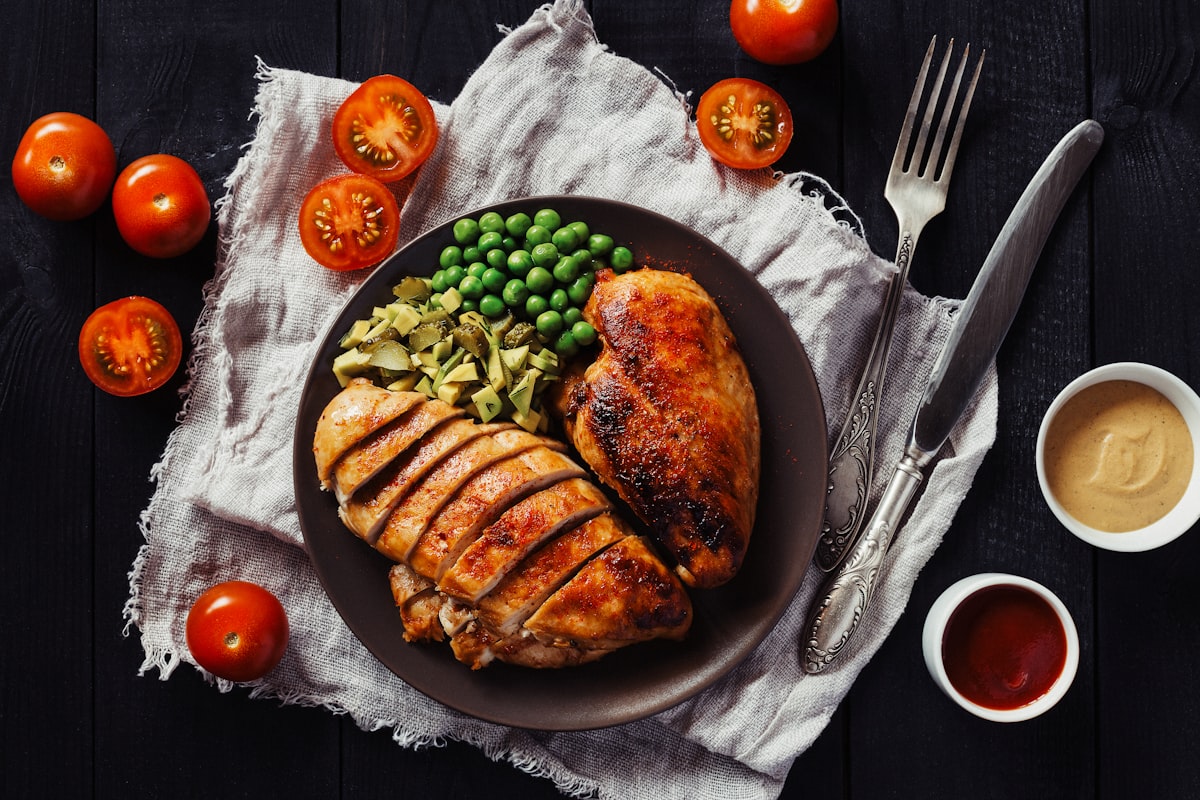
Ароматический овощной салат
Свежий салат с помидорами, огурцами и полезной зеленью
Начните свой путь к здоровью сегодня
Читайте полные статьи о профилактике простатита, изучайте научные основы здорового питания и применяйте наши рецепты. Все материалы бесплатно доступны в нашем редакционном разделе.
Информация на этом сайте носит образовательный характер. Перед значительными изменениями в рационе рекомендуется консультация с врачом.